

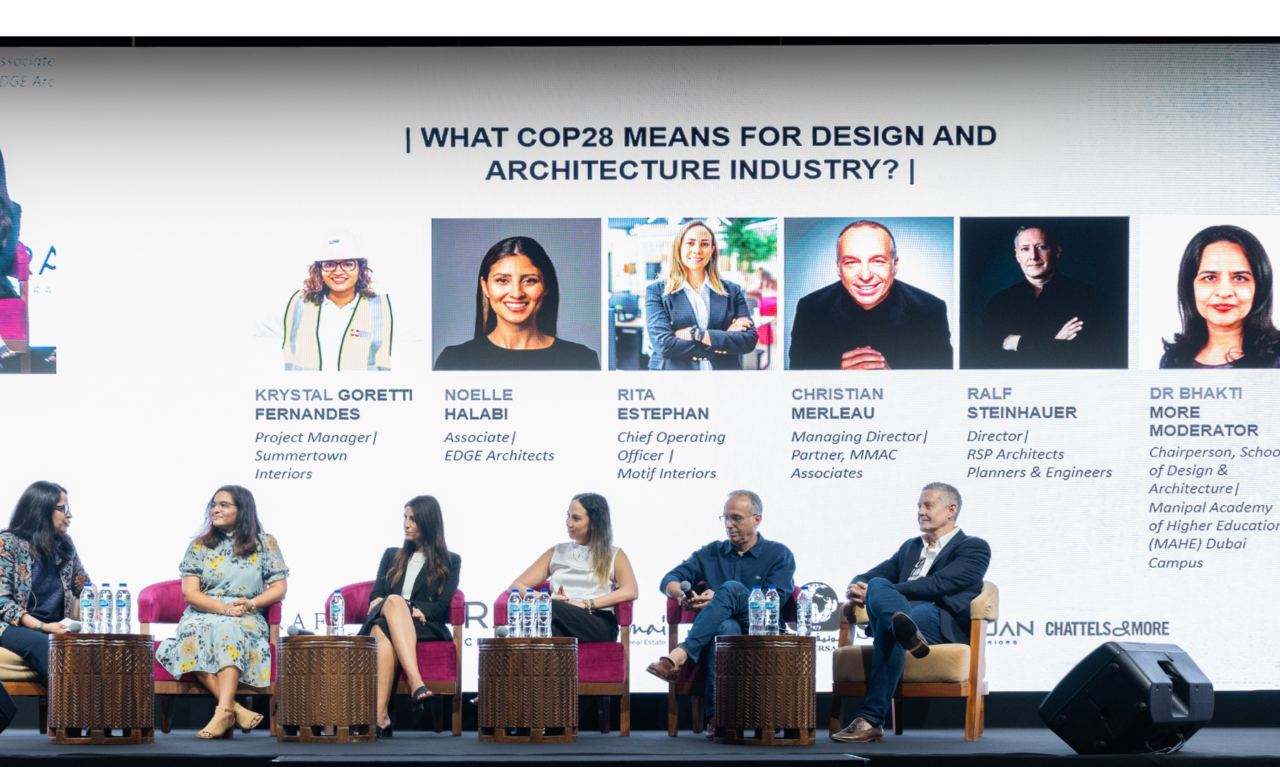
Our COO, Rita Estephan, took part in the Design Middle East Forum 2023, on the panel discussion on "What does COP28 mean for the design and architecture industry?"
In an era where climate change has become an increasingly pressing concern, international initiatives like the Conference of the Parties (COP) have taken centre stage. The upcoming COP28 conference in Dubai is expected to continue the mission of its previous editions, aiming to set targets for reducing greenhouse gas emissions and promoting sustainability worldwide. Rita Estephan, our Chief Operating Officer, recently participated in the Design Middle East Forum 2023, where Rita along with other panellists offered valuable insights on the potential impact of COP28 on the design and architecture industry.
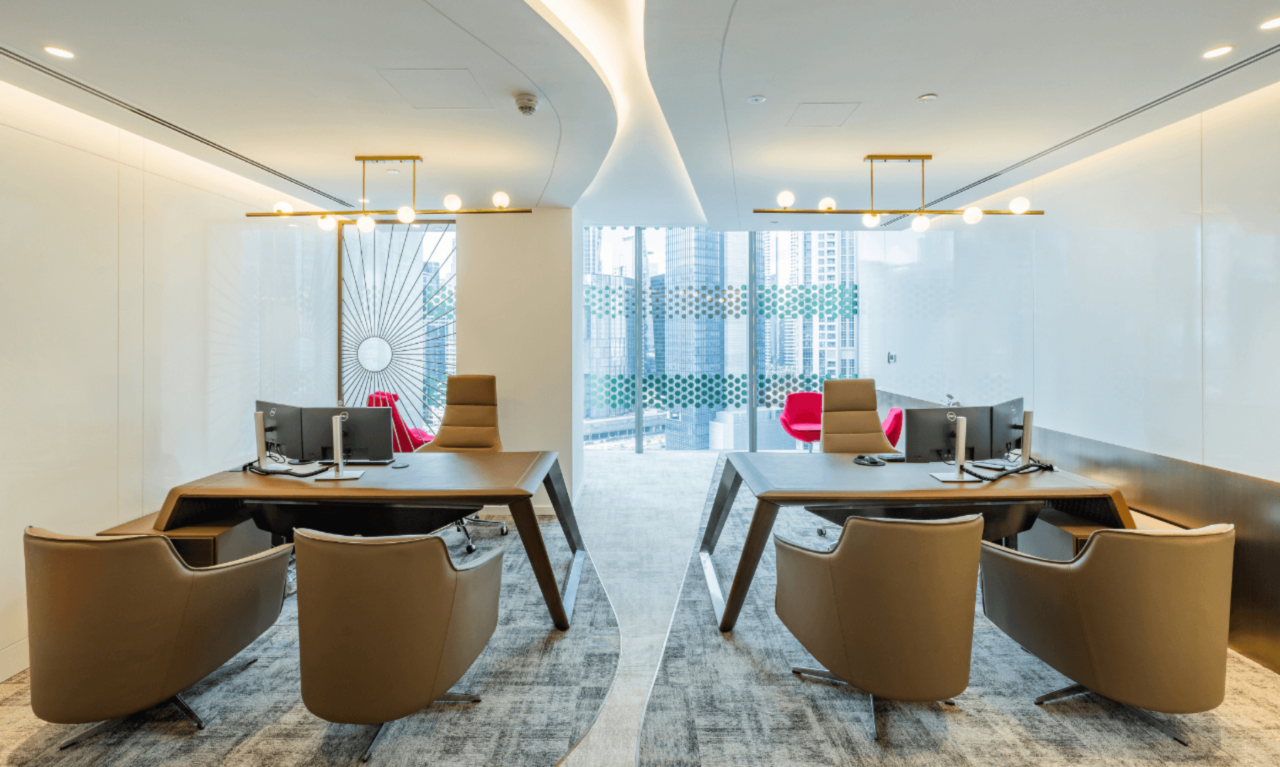
COP28 is anticipated to set ambitious targets for reducing greenhouse gas emissions and promoting sustainability. The global construction industry, particularly in growth hubs like Dubai and the UAE, could be affected by this global initiative. We expect this to translate into stricter regulations, incentives for green construction, and increased demand for sustainable fit-outs. The event is expected to spotlight the urgency of addressing climate change and could lead to increased emphasis on sustainable practices in the construction sector.
Decisions made at COP28 alone cannot “save” us from climate change, but they play an important role in mobilising global action. Rita emphasised the importance of collaborative international efforts in expediting the shift towards sustainable practices and setting the course for meaningful change. However, it's crucial to understand that individual and local actions, including those in the construction industry, will be critical to actualising these goals.
#image_title
Stronger regulations will likely drive innovation in materials and methods, pushing for the development and adoption of sustainable technologies. Rita highlighted that companies will need to invest in training and tools to stay compliant. While there may be a short-term increase in costs, the long-term benefits, such as energy savings, increased property values, and positive environmental impact, will emerge.
Automation and innovation will be central to achieving sustainability goals. Rita discussed how these advancements can lead to precision in construction, reducing waste, optimising resource usage, and ensuring compliance with green standards. Innovations like Building Information Modelling (BIM) can enhance design efficiency, while automation in material production can significantly reduce carbon footprints.
While there's growing interest in renewable energy, challenges remain. Rita acknowledged that integrating renewable energy requires substantial investment, both in terms of infrastructure and training. In locations like Dubai, where sunlight is abundant, solar energy is a potential avenue, but issues like space constraints, aesthetic considerations, and initial costs can be barriers. It's essential to educate stakeholders about the long-term benefits to overcome resistance.
As the global community becomes more climate-aware, the perception of green buildings will shift from a “nice-to-have” to a “must-have.” Rita highlighted how green certifications, like LEED, will become standard benchmarks, enhancing a building’s value and appeal. In time, sustainable buildings might be seen as the norm rather than the exception.
In the next five years, a surge in demand for green fit-outs and sustainable design & construction practices, driven by both regulations and market demand, is expected. Rita concluded by emphasising that companies will invest more in research and development, fostering innovations in sustainable materials and methods. Collaborative initiatives between governments, industries, and academia will become more common to address the challenges of climate change and to steer the design industry toward a sustainable future.
In conclusion, COP28 and the future of the design and architecture industry are closely linked. Rita Estephan's insights at the Design Middle East Forum 2023 shed light on the significant transformations and challenges the industry may face as it navigates the evolving landscape of sustainability and climate change. The path forward is clear – a commitment to innovation, sustainability, and collective action.
In the heart of the Middle East, an exciting transformation is happening that's reshaping how people work and collaborate. Co-working spaces are on the rise in this region, just like in other parts of the world, but with their own unique Middle Eastern flavour.
According to a 2021 research study from UK-headquartered business financial platform, Tide, available co-working space in the UAE currently equates to around 1.74 spaces for every 100,000 people. To put that into perspective, Switzerland leads the global pack with an impressive 2.50 spaces per 100,000, closely followed by Singapore at 2.32 and New Zealand at 2.18.
As per Statista's data, the global count of co-working spaces currently stands at over 18,700, with projections indicating a substantial increase to 41,975 spaces by 2024. This growth rate translates to an annual expansion of approximately 21.3 per cent.
While co-working spaces initially gained popularity among freelancers, entrepreneurs, and digital nomads, their appeal has broadened significantly. Beyond these early adopters, a diverse range of market segments is now embracing this alternative to traditional office setups, reflecting the widespread demand for flexible and collaborative work environments.
CO-working spaces | Office Fit Out Dubai
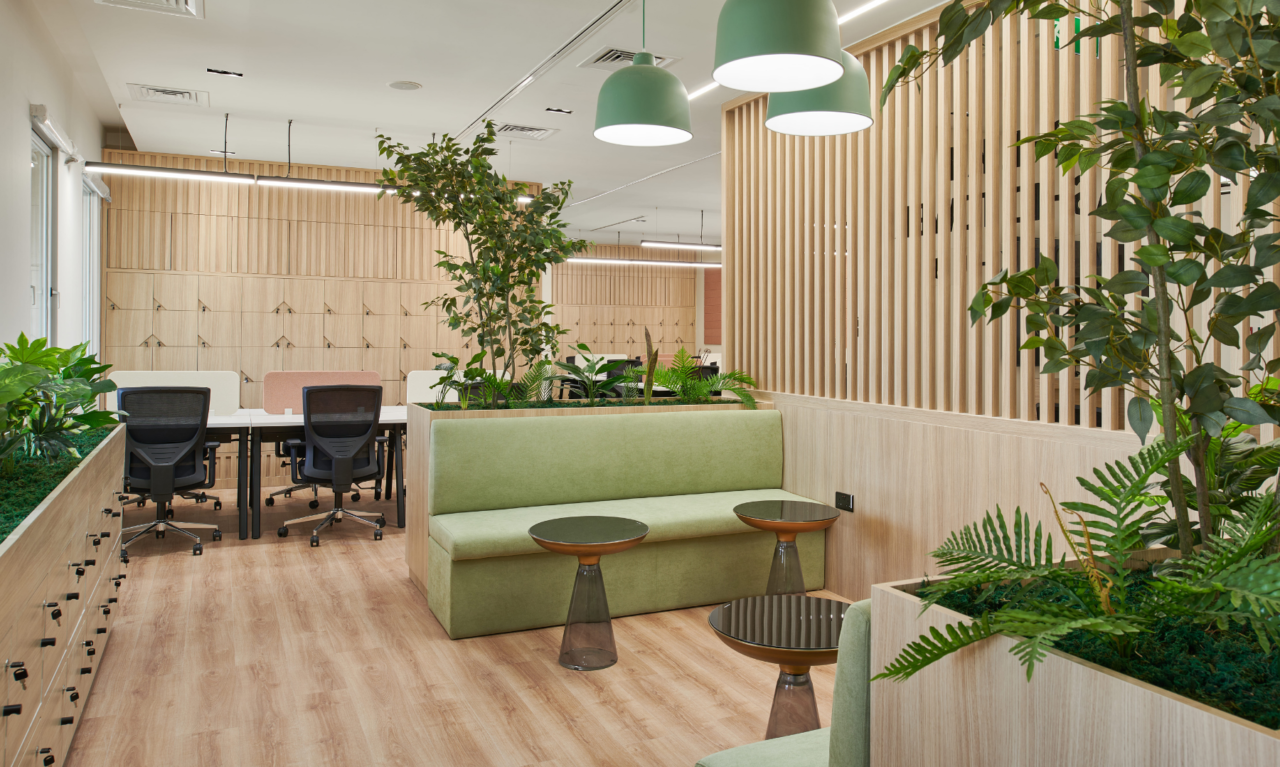
Today, we take a closer look at Motif's latest design and build project: the Shaikh Rashid Tower Work Hub in Dubai World Trade Center. Spanning 4,500 square feet, the SRT Work Hub seamlessly combines vibrant aesthetics with functionality, creating a workspace across various workstations, diverse meeting rooms, cosy lounges, and an inviting reception area.
At the core of SRT Workspace's design philosophy is the commitment to harmoniously blend aesthetics with functionality. This space fosters a dynamic and welcoming environment, catering to the diverse needs of its occupants while meeting the client's requirements.
#image_title
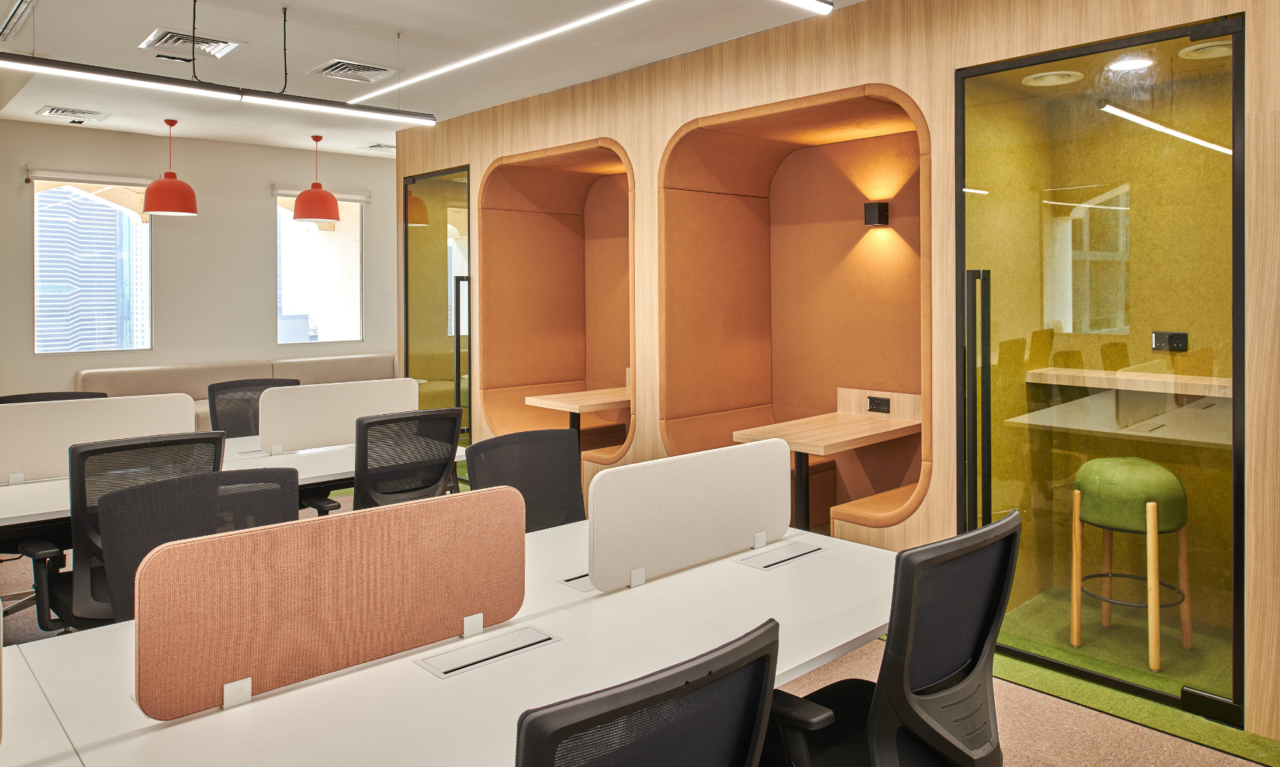
One of the standout features of SRT Workspace is its vibrant colour palette. Bold and lively colours infuse the space with energy, setting a positive and motivated tone for the workday. Natural and artificial lighting further complement the design, ensuring a well-lit and inviting atmosphere. This combination of elements creates a dynamic and inspirational workplace.
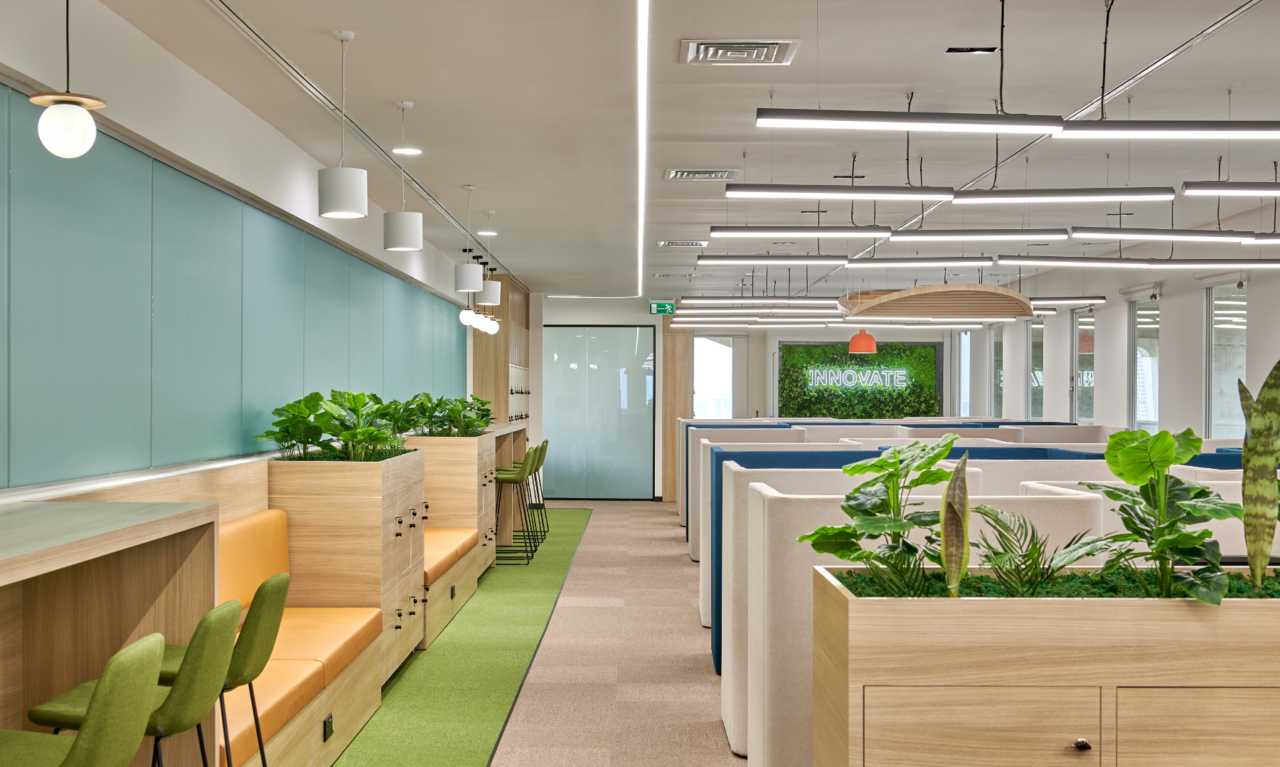
Additionally, the Motif Interiors team has brought nature into the SRT workspace with various biophilic elements. Wooden panelling and a plant wall introduce a touch of nature, connecting occupants with the outdoors. This infusion of greenery not only adds to the aesthetic appeal but also promotes well-being, reducing stress and increasing productivity.
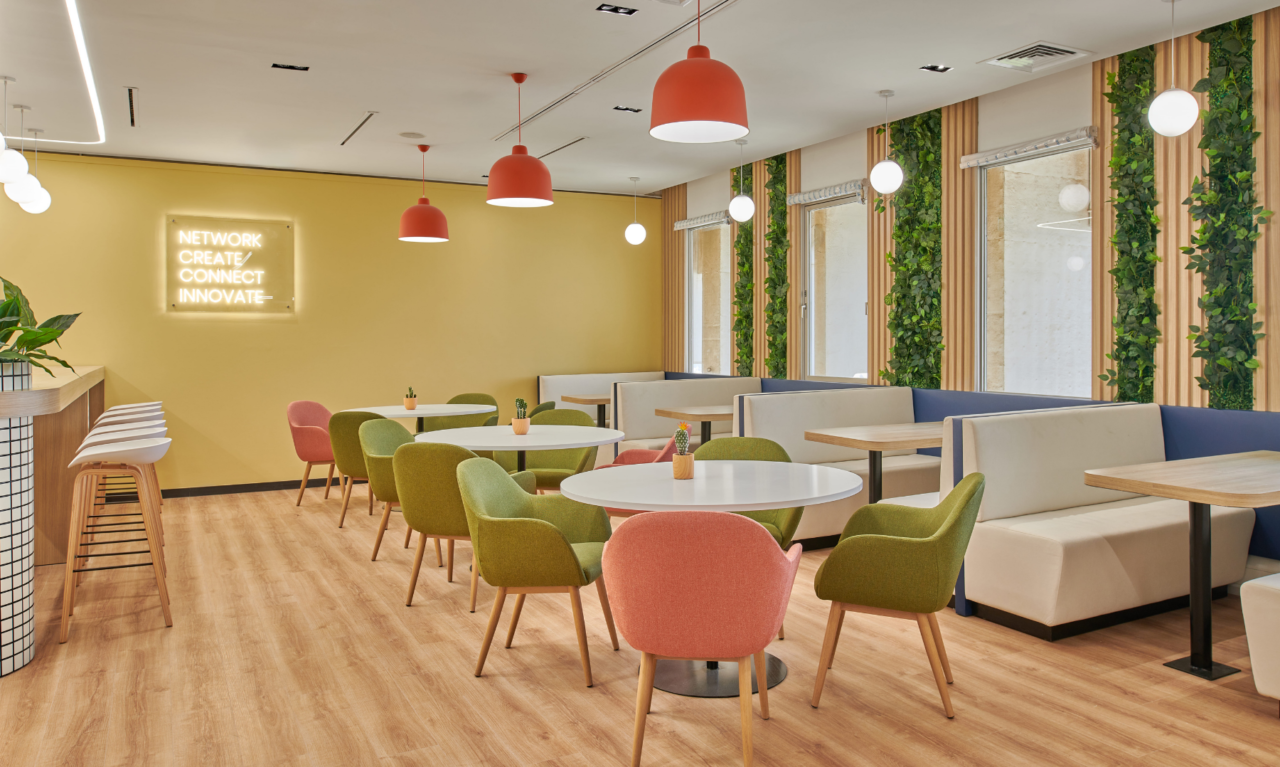
To further enhance the user experience, SRT Workspace offers a variety of seating options, ranging from standard open-plan areas to meeting pods and custom-made booths to high tables and lounge areas. This diversity allows for a "Plug & Play" approach, catering to the different preferences and needs of its occupants.
Office design isn't just about aesthetics; it's about creating environments that promote well-being, productivity, and a connection to nature. Biophilic design, the incorporation of natural elements into office spaces, has gained prominence as a key strategy in achieving these goals. In this blog post, we'll explore the transformative power of biophilic design, using the case study of Planet Payment, design by Maris Interiors and complete turn-key fit-out by Motif Interiors.
Planet Payment recognised the importance of fostering teamwork and reflecting their brand identity in their office space. To achieve this, we created a nature-inspired collaboration hub. This hub seamlessly blends natural elements like wood, stone, and living plants with the functionality of a modern workspace. The result is an inviting environment that encourages employees to collaborate, exchange ideas, and strengthen their connection to the brand's mission and values.
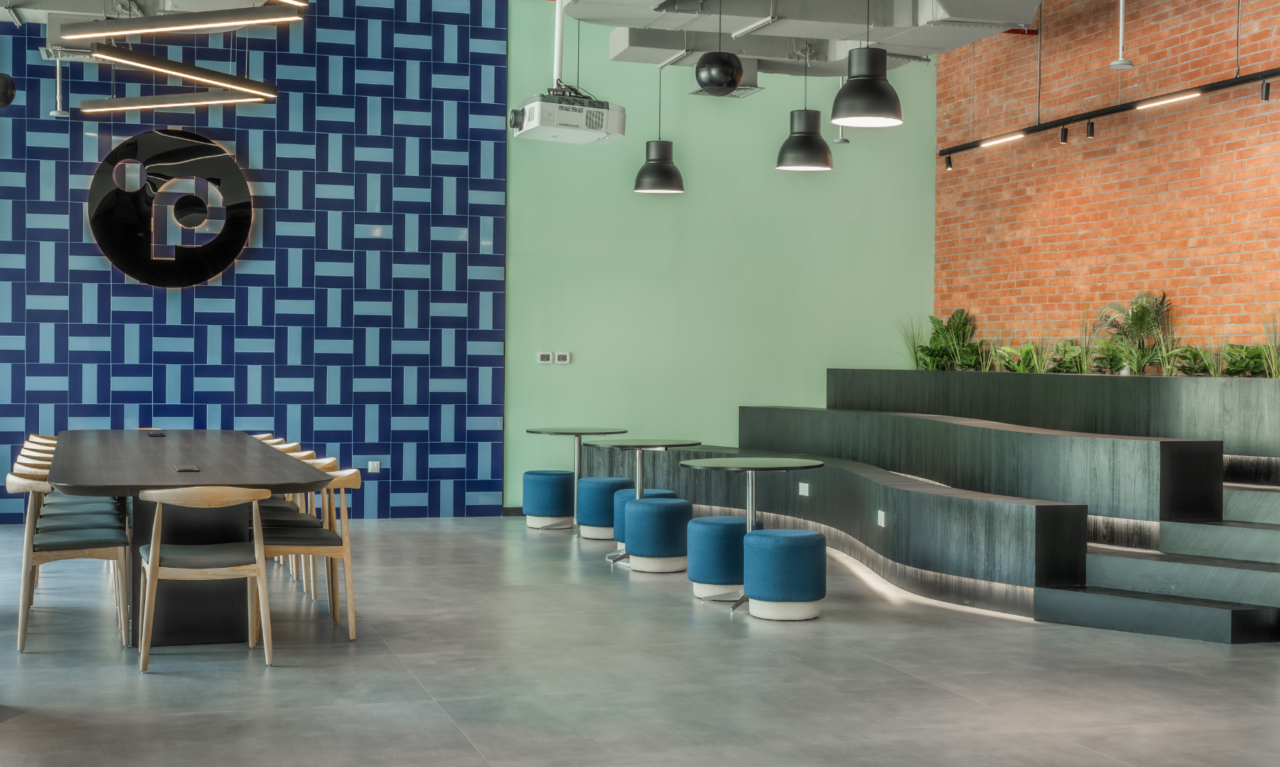
In the case of Planet Payment, our design team selected earthy materials to create a sustainable touch throughout the office. Sustainability was not just a buzzword but a guiding principle in every design decision, from furniture to lighting. Acoustic considerations were also taken into account, ensuring that the office remained a productive and comfortable space. Furthermore, brand elements and colours were thoughtfully integrated into the design, reinforcing the company's identity in every corner of the workspace.
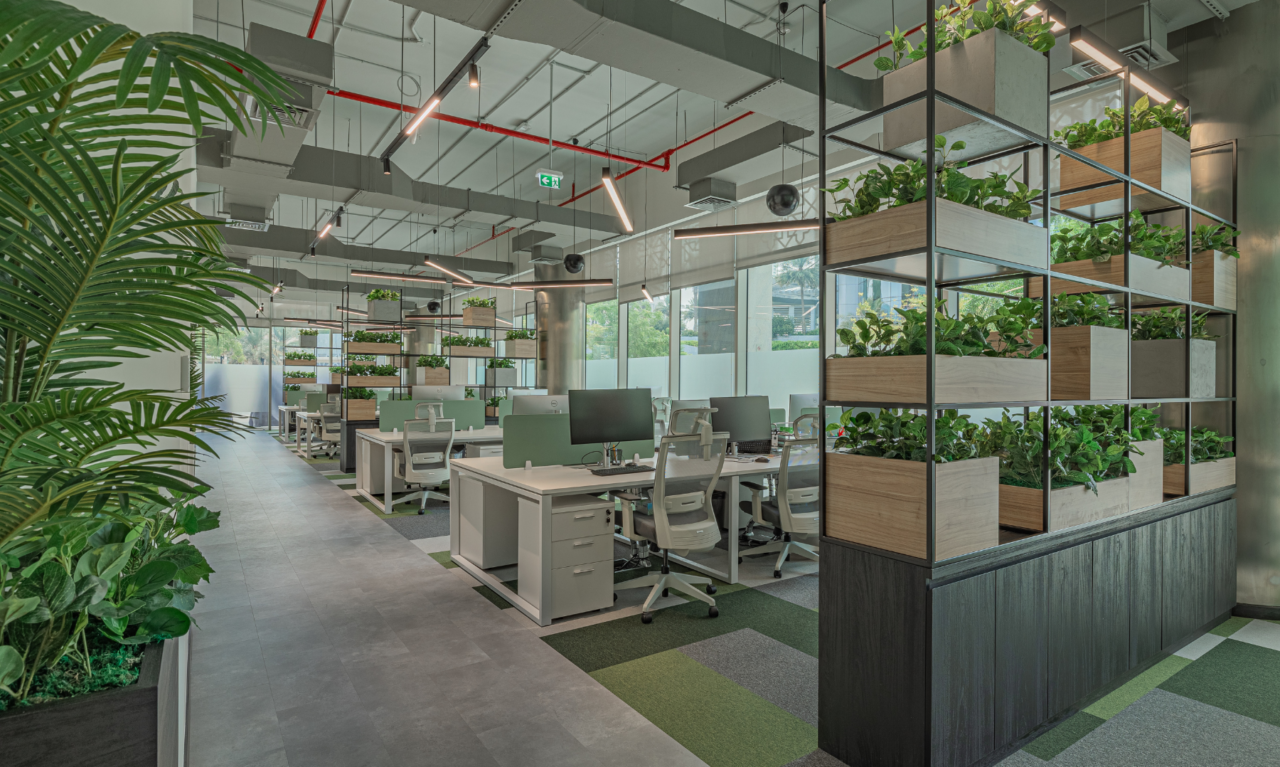
While collaboration is crucial, private spaces for focused work are equally essential. We recognised this need and designed private areas that blend with the overall aesthetic. These spaces utilise natural materials, maintaining a sustainable and soothing atmosphere that promotes concentration and productivity.
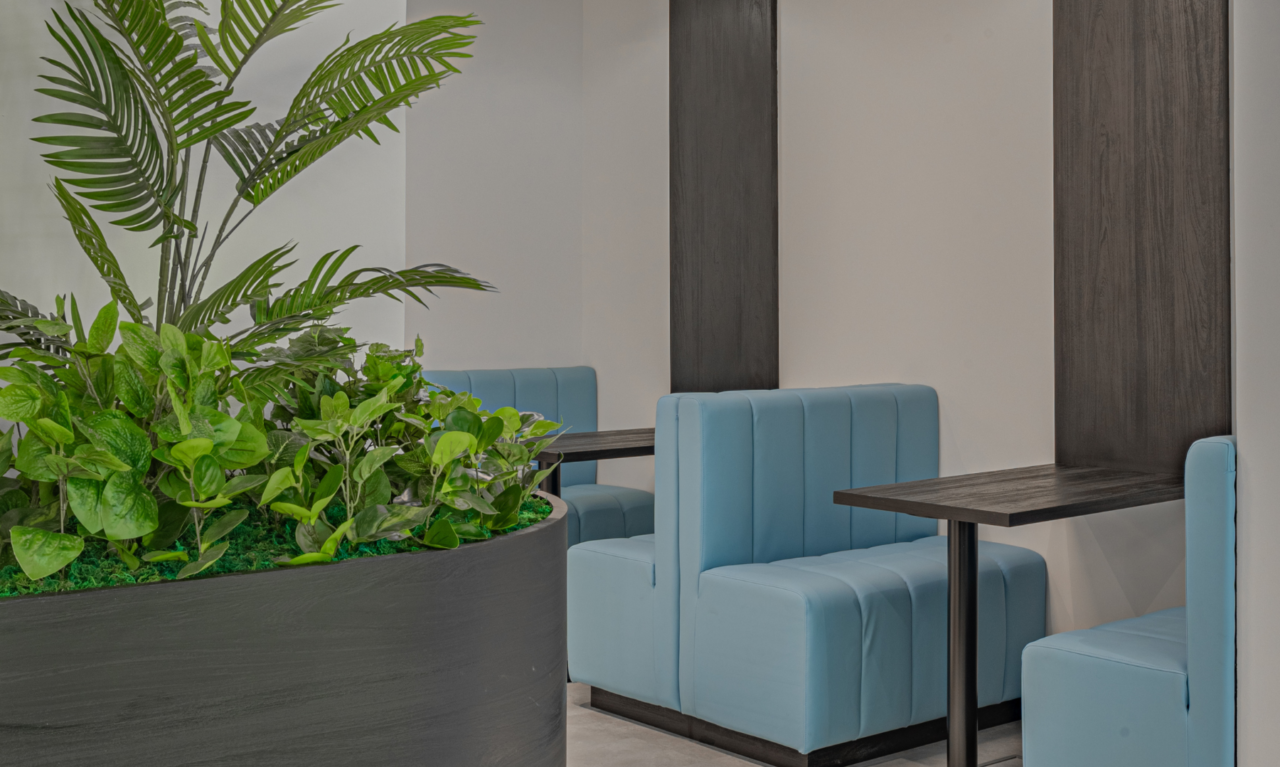
The layout of the office was carefully crafted to prioritise inclusivity, flexibility, and teamwork. Open spaces were complemented by private nooks, allowing employees to choose the work environment that suited them best. This flexibility fosters creativity, empowers employees and enhances their connection to both the brand and the surrounding natural elements.
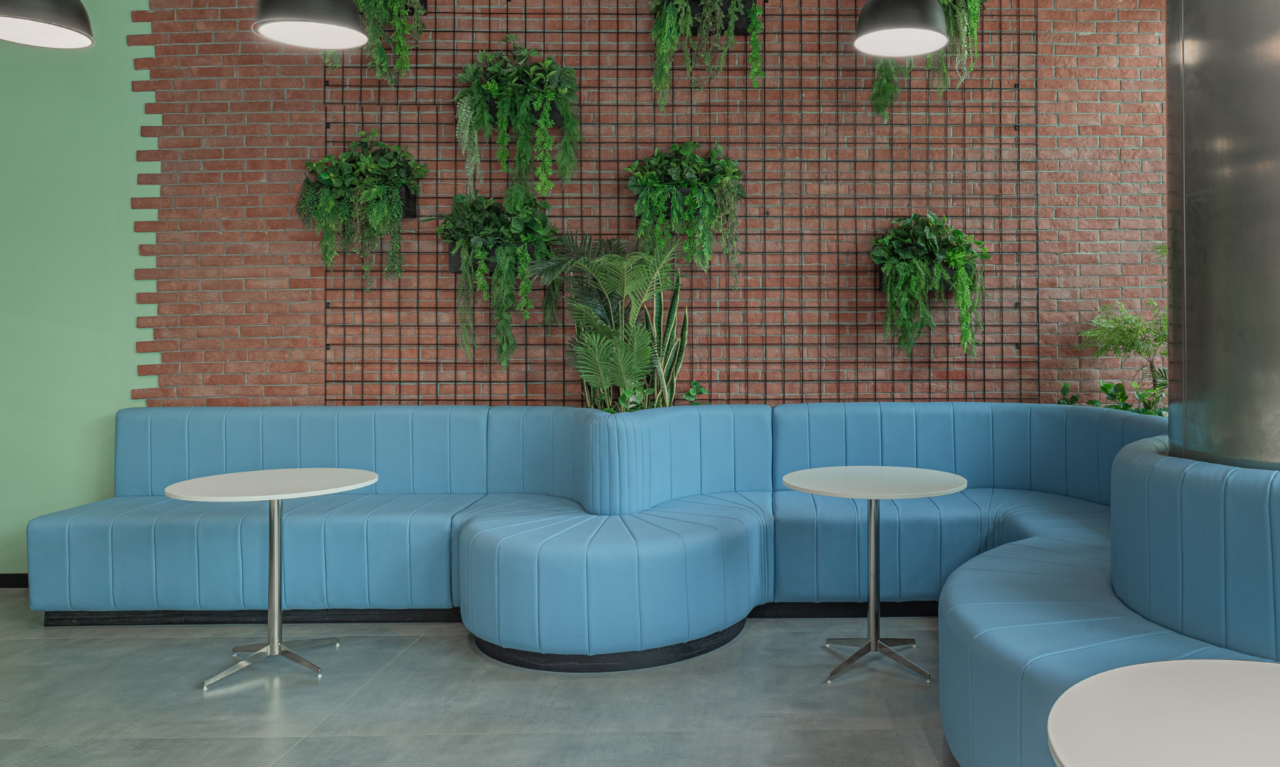
In conclusion, Planet Payment's journey with biophilic design highlights the significant impact it can have on an office environment. Beyond aesthetics, biophilic design promotes teamwork, sustainability, and brand identity, while also ensuring that the workspace is conducive to productivity and well-being.
Sarah Allix joins Motif Interiors as head of business development
Commercial Interior Design Magazine featured an interview with Sarah Allix, our newly appointed Head of Business Development.
In Media: Q+A with Sarah Allix, our new Head of Business Development at Motif Interiors
I was born and raised in Dubai and moved to Australia where I started high school. Later, I delved into the world of interior design, obtaining a degree that paved the way for the inception of Allix Design, which was situated on the Gold Coast in Australia. In 2014, I relocated back to Dubai to pursue new opportunities in the design and build industry, and to experience the vibrant city. I have accumulated a wealth of experience, having built up more than 17 years of dedicated service within the industries, both in Australia and the United Arab Emirates.
As the Head of Business Development at Motif Interiors, I'm thrilled to lead an outstanding sales team, handling everything from finding potential clients to contract awards and ensuring projects run smoothly. My goal? To help Motif Interiors grow and thrive, especially in the commercial and healthcare sectors.
I've always liked drawing and painting, but I never really knew what to do with it. I ventured into the design industry due to my passion for spaces and all the things you can create in it. When it comes to my career I was influenced and inspired by a talented local designer who was my inspiration and mentor. Witnessing his talent and the transformative nature of design, I decided to follow this path. Early on, I realised my interest extended beyond design; I wanted to be involved in every aspect of the construction process.
As the Director and interior designer at 'Allix Design' for over 11 years, I managed diverse projects, spanning hospitality, F&B, retail, commercial, and residential sectors. Later, I relocated to Dubai and transitioned into a business development role. These experiences have significantly shaped my career, offering a detailed and broad perspective that enriches my approach to each relationship and project today.
Yes, I've been fortunate to have had several mentors in my career. Each interaction has provided me with invaluable lessons and experiences. The fields of interior design and fit-out industries are exceptionally dynamic, fostering continuous learning from clients, fellow colleagues, and other industry professionals. Every project brings its unique set of challenges, offering opportunities for personal and professional growth.
The most exciting aspect of my new role at Motif Interiors is the vibrant and diverse team I'll be collaborating with. It's a blend of multiple generations, nationalities, and cultures, which brings a dynamic and fresh perspective to our work. Motif's owners, Rayas and Riyas, as well as their senior management team, led by Akeel Perera, embody this forward-thinking spirit. I am excited about how our visions align and am eager to see where this energy leads.
Moreover, I am passionate about guiding and motivating the Motif’s sales team to achieve their best performance. I am also committed to fostering and improving collaboration between all departments, as I truly believe progress can only be achieved through teamwork.

There are no challenges, only problems to be solved. I look forward to facing them as it’s the best way to learn, develop and grow.
Having completed over 900 fit-out and design projects over the past 12 years, Motif Interiors has established itself as an industry leader in workplace design. The team has strong in-house capabilities in joinery, furniture, and MEP, so they can deliver complex projects, particularly in the commercial and healthcare sectors.
I have been fortunate to have obtained extensive experience within the commercial and healthcare industry. Particularly in healthcare, my experience has opened a whole new avenue for me to learn more about how the design and quality of such spaces can affect patients’ well-being, their healing process, and their families in such a profound way. Multiple stakeholders must work for the benefit of patients in this complex industry and my team at Motif and I hope to help grow this division and also expand into other sectors within the industry.
My ultimate career goal is to continue making a meaningful impact in the design and construction industry. I aspire to leverage my extensive experience and expertise to drive innovation, sustainability, and excellence in project execution. Whether it's through leading successful teams, creating spaces that positively influence people's lives or contributing to the growth of the industry, I aim to leave a lasting legacy of quality, creativity, and collaboration.
Are you tired of the dull and uninspiring atmosphere in your workplace? Want to make your office space more inviting, healthier, and conversation-worthy? In this blog post, Rita Estephan, our COO & Head of Design, shares her top tips and ideas for bringing greenery into the workplace, creating a vibrant and refreshing greener office environment that everyone will love.
Moss walls will never go out of style. Besides adding a touch of nature, it also provides natural air purification, contributing to a healthier environment. It's also very easy to maintain! Moss walls are not only visually stunning but also offer several benefits for the office environment. They are low-maintenance and require minimal care, making them a practical choice. The lush greenery of moss walls can instantly breathe life into any space, making it more appealing to employees and clients alike.
An indoor vertical garden with potted plants. The whole team loves it, and it makes for an excellent conversation strategy with our clients. Indoor vertical gardens are an innovative way to incorporate greenery into your workplace. They not only maximise space but also create a unique and eye-catching feature that can serve as a great talking point during meetings and client visits. The combination of various plant species in a vertical garden adds depth and vibrancy to your workspace.
Adding olive trees to high round tables is a winning combination and a very trendy solution for offices. Artificial plants have come a long way in terms of realism and quality. They require no maintenance and can withstand various environmental conditions, making them ideal for busy offices. Olive trees, for instance, add a touch of elegance and sophistication to your workspace, making it a more pleasant place to work.
Suspended ceiling plants are a creative way to utilise vertical space and create a captivating visual impact. By opting for artificial plants, you eliminate the need for regular care and maintenance. Experiment with different plant species and colours to match your office's aesthetic and add personality to your workspace.
Incorporating natural elements like gigantic palm leaves in your cafeteria area can transform it into a serene retreat for employees. Large, tropical leaves not only add a touch of exotic beauty but also create a calming atmosphere, making lunch breaks more enjoyable.
Create a relaxation corner in your office by incorporating an organic-shaped wall adorned with greenery. This secluded oasis offers employees a peaceful escape from their busy workdays, promoting well-being and reducing stress.
In conclusion, incorporating greenery into your workplace can have a profound impact on the overall atmosphere, employee well-being, and even client impressions. Whether you opt for moss walls, vertical gardens, artificial plants, or a combination of these ideas, you can transform your office into a greener office, healthier, and more inviting space.
The way an office is designed can significantly impact an employee's mood, motivation, and overall satisfaction at work. In this blog, we'll explore the psychology of office design and office fit-out and its profound effects on employee well-being, with a special focus on our project case study: Haus & Haus, designed by LXA and fitted out by Motif Interiors.
One of the most important aspects of a well-designed office is the creation of spaces that foster innovation and creativity. The meeting spaces are designed in a way that inspires their employees to think outside the box. These spaces are strategically placed throughout the office, featuring whiteboards, comfortable seating, and a modern aesthetic that encourages brainstorming and idea generation.
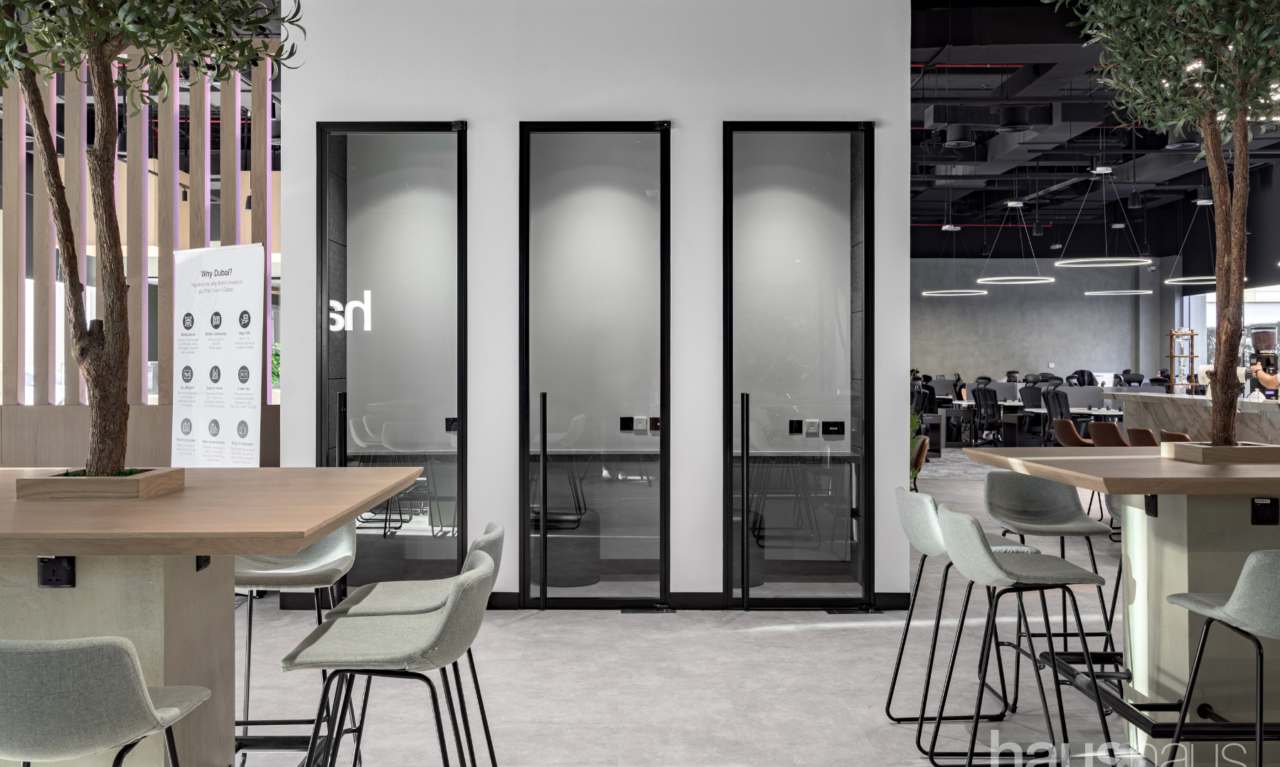
2. Cosy Recharge Zones for Relaxation
We all need a break from our busy workdays, and the Haus & Haus office acknowledges this need by providing cosy recharge zones throughout their office. These areas are designed to help employees relax and rejuvenate during their breaks. Comfortable seating, soft lighting, and a soothing ambience are all carefully considered to promote relaxation and reduce stress.
3. A Vibrant Encounter Coffee Shop Promoting Interaction
Coffee breaks are a universal way for employees to recharge and interact with their colleagues. The real estate office has taken this concept to the next level by creating a vibrant encounter coffee shop within their office space. This inviting area encourages employees to engage in casual conversations, exchange ideas, and build relationships with their co-workers, fostering a sense of community and camaraderie.
4. Community-Centric Office Fit-Out Enhancing Interaction
Haus & Haus office design understands the importance of creating a sense of community within the workplace. Their office design reflects this commitment by promoting interaction and collaboration. Open workspaces and communal areas encourage employees to connect, share ideas, and work together seamlessly. This design approach not only enhances productivity but also contributes to a more positive work environment.
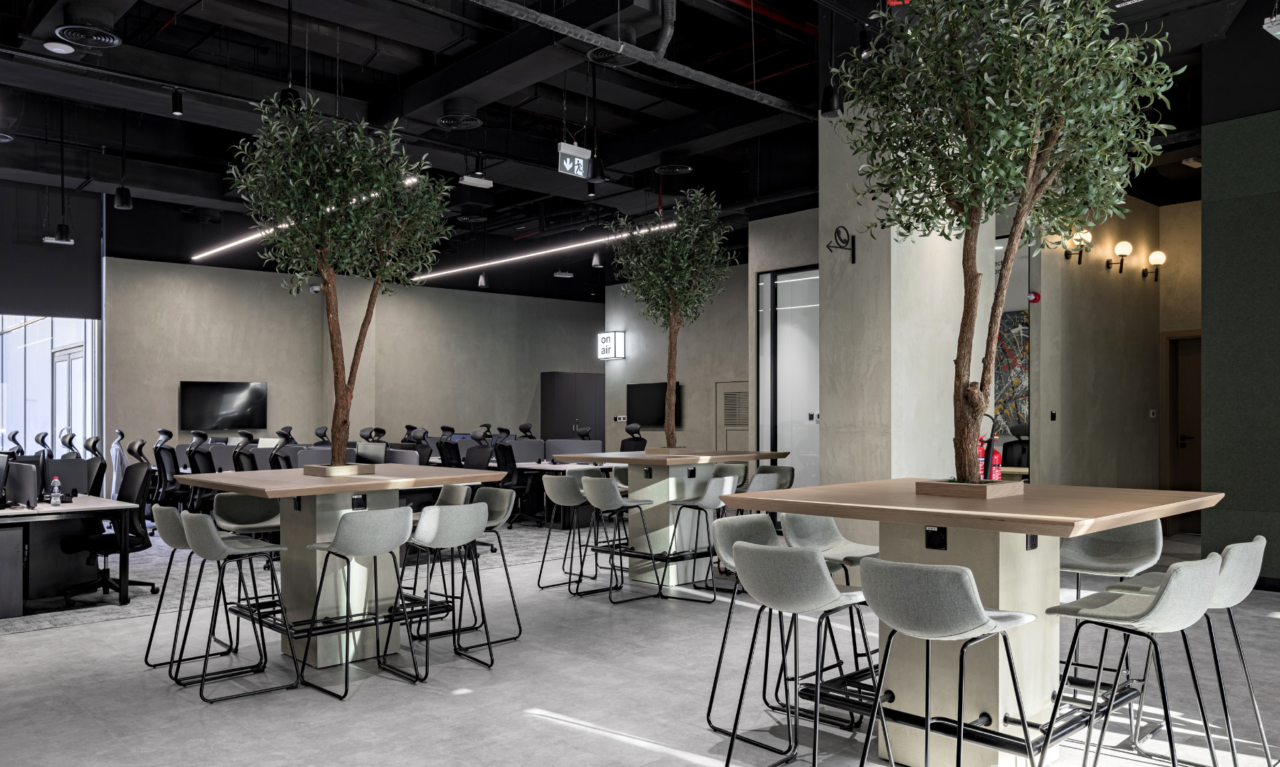
5. Motivational Quotes and Core Values Fostering a Positive Culture
The power of motivation and positivity cannot be underestimated in the workplace. Haus & Haus's office integrates motivational quotes and core values into their office design, strategically placing them in common areas like the pantry room and open workspaces. These quotes serve as daily reminders of the company's mission and values, boosting encouragement and reinforcing a positive culture among employees.
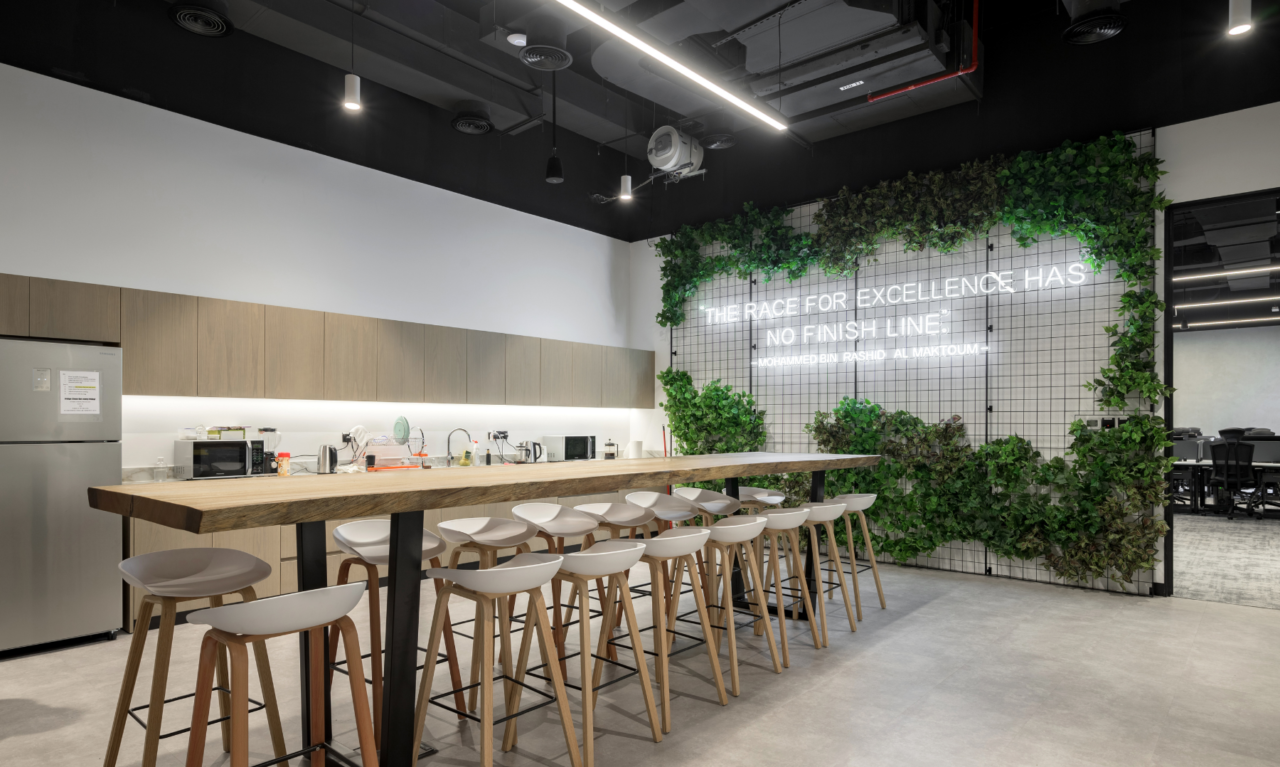
6. The Biophilic Element Connects to Nature with Ample Natural Light
One of the standout features of Haus & Haus's office design is its biophilic element. Biophilic design incorporates elements of nature into the workspace, connecting employees to the outdoors. The presence of plants, natural materials, and ample natural light creates a refreshing and invigorating atmosphere that enhances overall well-being and productivity.
In conclusion, the psychology of office design is a powerful tool for enhancing employee well-being, satisfaction, and performance. LXA Design along with Motif Interiors has successfully implemented these principles in the Haus&Haus office by creating a workplace that inspires creativity, encourages relaxation, fosters interaction, and promotes a positive culture.
Investing in office design and office fit-out that prioritises employee well-being is not only a wise business decision but also a testament to a company's dedication to its most valuable asset—its people. As businesses continue to evolve, understanding the psychology of office design will be essential in shaping the future of work.
Open office spaces have become a trend in modern workplaces, fostering collaboration, transparency, and a sense of community among employees. However, striking a balance between privacy and collaboration in these open environments can be a challenge. Distractions and noise can impede productivity, while the absence of private spaces may affect employee focus and well-being. In this blog post, we will explore effective strategies to create a harmonious equilibrium between privacy and collaboration in open office spaces.
Creating defined areas within your open office layout is key to balancing privacy and collaboration. Incorporate quiet zones or individual work pods where employees can retreat for focused work or when they require privacy. Design collaborative areas with shared tables or comfortable seating to encourage teamwork and spontaneous idea-sharing. Clearly defining these zones helps employees understand the intended purpose of different areas and facilitates a balanced workflow.
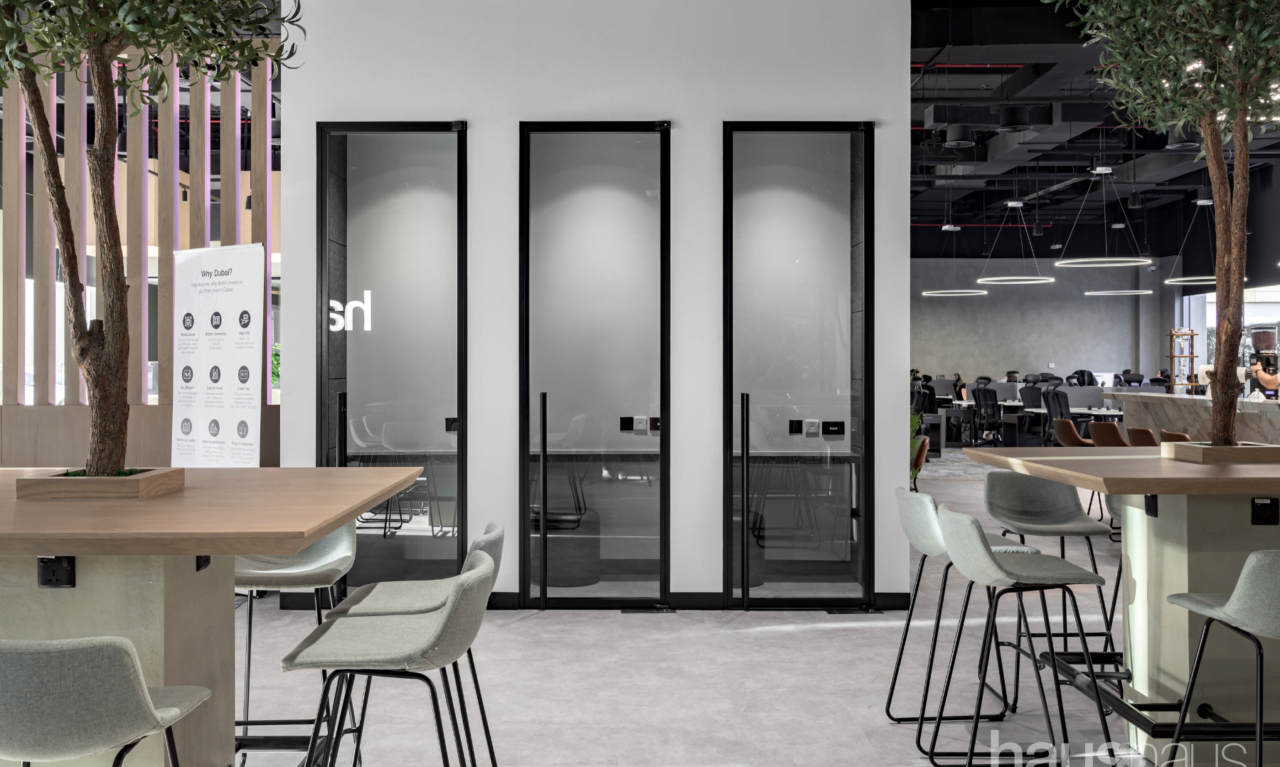
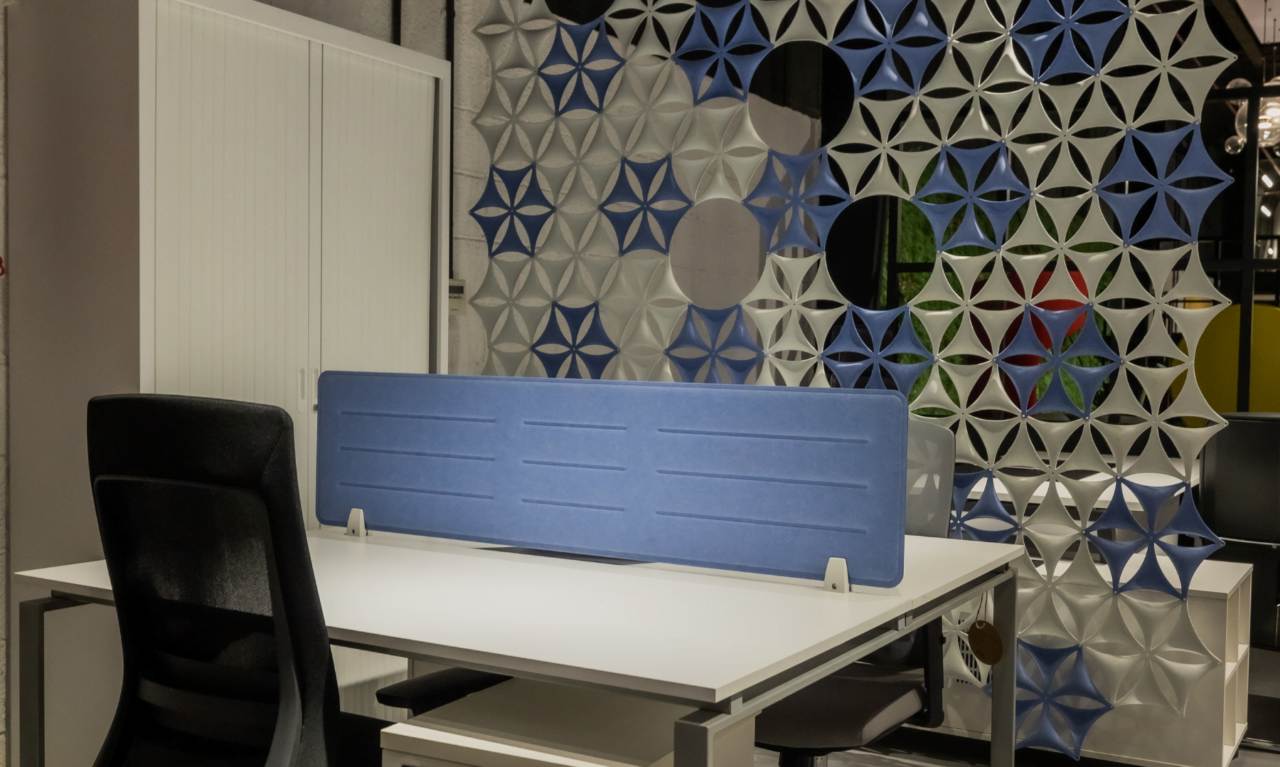
Noise is a common concern in open office spaces that can negatively impact concentration and productivity. Implement sound control measures to minimise distractions. Introduce sound-absorbing materials, such as acoustic panels or ceiling baffles, to reduce noise reverberation. Offer noise-cancelling headphones to employees who require additional focus or invest in white noise machines placed strategically throughout the office to mask disruptive sounds.
Consider providing flexible work options to accommodate employees' varying needs for privacy and collaboration. Remote work or flexible hours can allow individuals to find a balance that works for them. Offering the opportunity to work from home or choose specific days for focused work can enhance productivity and reduce distractions, particularly for tasks that require deep concentration.
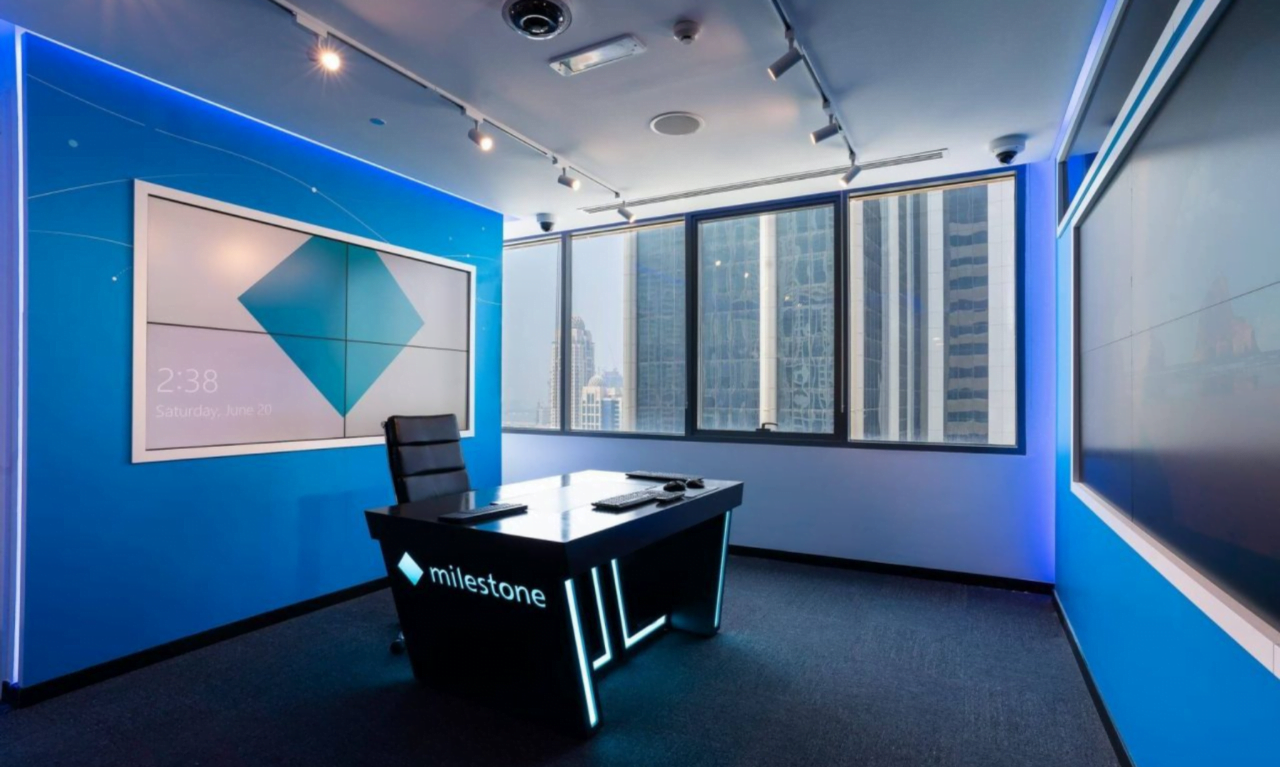
Recognise the importance of privacy and well-being in the workplace. Provide employees with access to quiet rooms or private spaces where they can concentrate or handle confidential matters. Ensure that breaks and relaxation areas are available, allowing employees to recharge and rejuvenate. By prioritising privacy and well-being, you create an environment that supports both focused work and collaborative efforts.
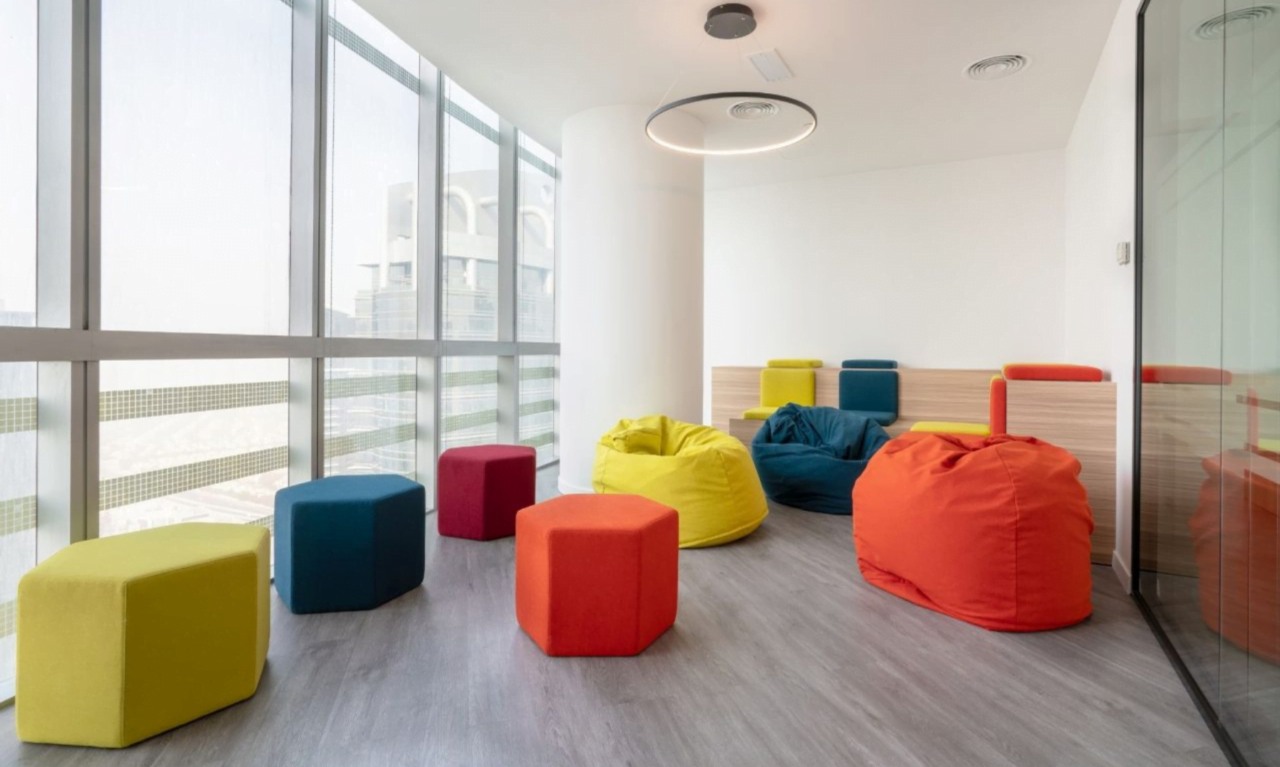
By creating designated work zones, implementing sound control measures, fostering effective communication, designing functional collaboration spaces, offering flexible work options, and prioritising privacy and well-being, you can create a harmonious work environment. Striking this balance will not only optimise productivity but also enhance employee satisfaction and well-being.
When guests step into a company's reception space, they form an instant impression of the brand. According to a study by the Design Management Institute, well-designed reception spaces can lead to a 12% increase in positive perceptions about a company or a brand. In this blog, we explore how reception design influences guest experiences and why incorporating biophilic and sustainable elements can leave a lasting impact.
By adding biophilic elements such as plants and maximising natural light, reception areas can create a soothing and inviting environment. Studies show that biophilic designs reduce stress levels in guests by up to 15%, fostering a positive atmosphere for meetings and interactions.
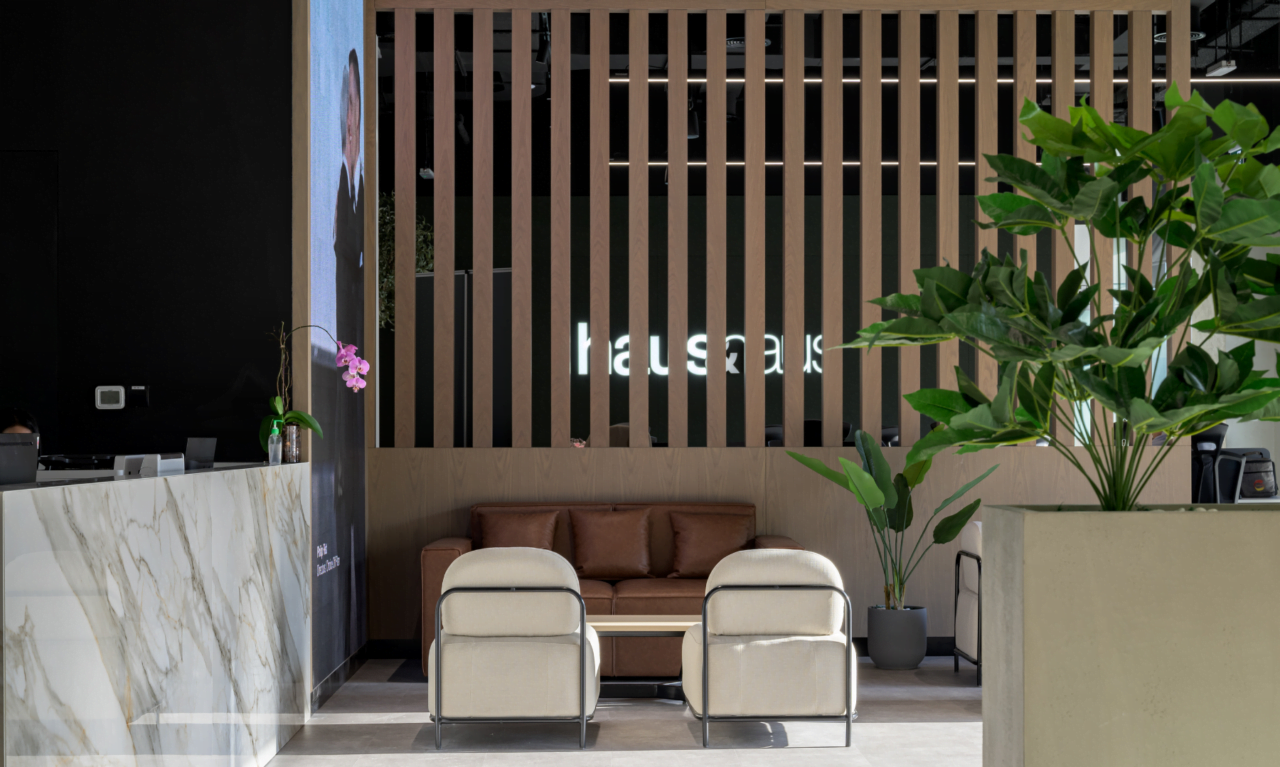
Demonstrating a commitment to sustainability in reception design not only reduces a company's environmental impact but also earns the trust of guests. Research by Nielsen indicates that 81% of consumers prefer environmentally conscious businesses, making sustainable elements a valuable addition to the reception space.
Reception spaces serve as visual representations of a company's brand identity and values. By aligning the design with the overall brand image, businesses can create a memorable and cohesive experience for visitors, reinforcing their brand in the minds of guests.
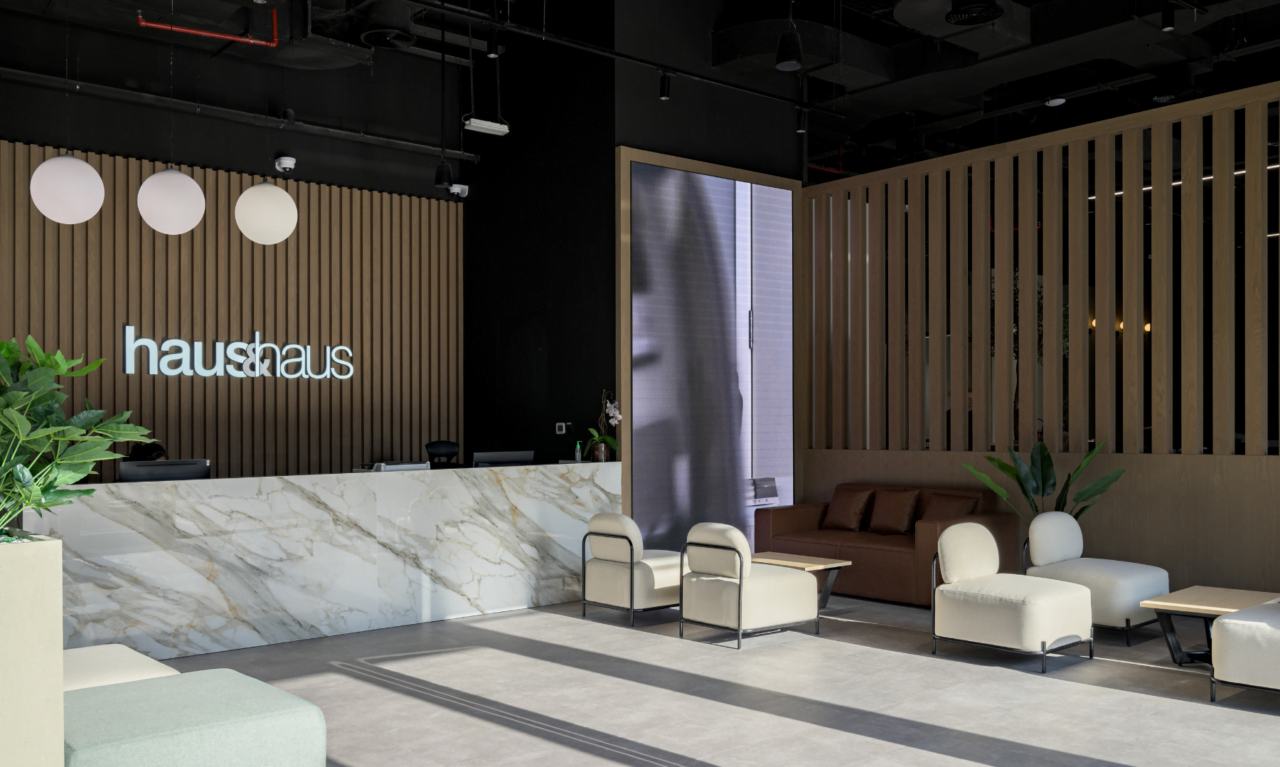
Incorporating personalised touches into reception design that reflect the company's culture and values elevates the guest experience. Tailored greetings, curated art displays, or interactive elements leave a lasting impression, making guests feel valued and appreciated.
A well-designed reception area should be versatile enough to cater to different purposes and events. Flexible furniture arrangements, modular designs, and adaptable layouts contribute to a dynamic and functional reception space.
A thoughtfully designed reception area not only impacts guests but also enhances employee morale and productivity. When employees feel proud of their workspace, they become more connected to the company's mission, resulting in improved performance and engagement.
Designing a welcoming and aesthetically pleasing reception space is crucial as it creates a lasting first impression on guests and visitors. With biophilic elements promoting relaxation and sustainable design showcasing a commitment to the environment, businesses can build trust and leave a positive impact. By aligning the design with their brand identity and incorporating personalized touches, companies create a memorable and inviting experience for everyone who walks through their doors.
Ready to make your office more sustainable and environmentally friendly? Creating an eco-friendly office with sustainable fit-outs doesn't have to be complicated. In fact, with a few easy steps, you can significantly reduce your environmental impact while creating a healthier and more productive workspace. Let's explore some practical tips and strategies by our fit-out experts to create an eco-friendly office:
Maximise the natural light in your office by positioning workstations near windows. Natural light not only saves energy but also creates a more pleasant and vibrant atmosphere for your team. Consider using light-coloured furniture and reflective surfaces to enhance the brightness throughout the space.
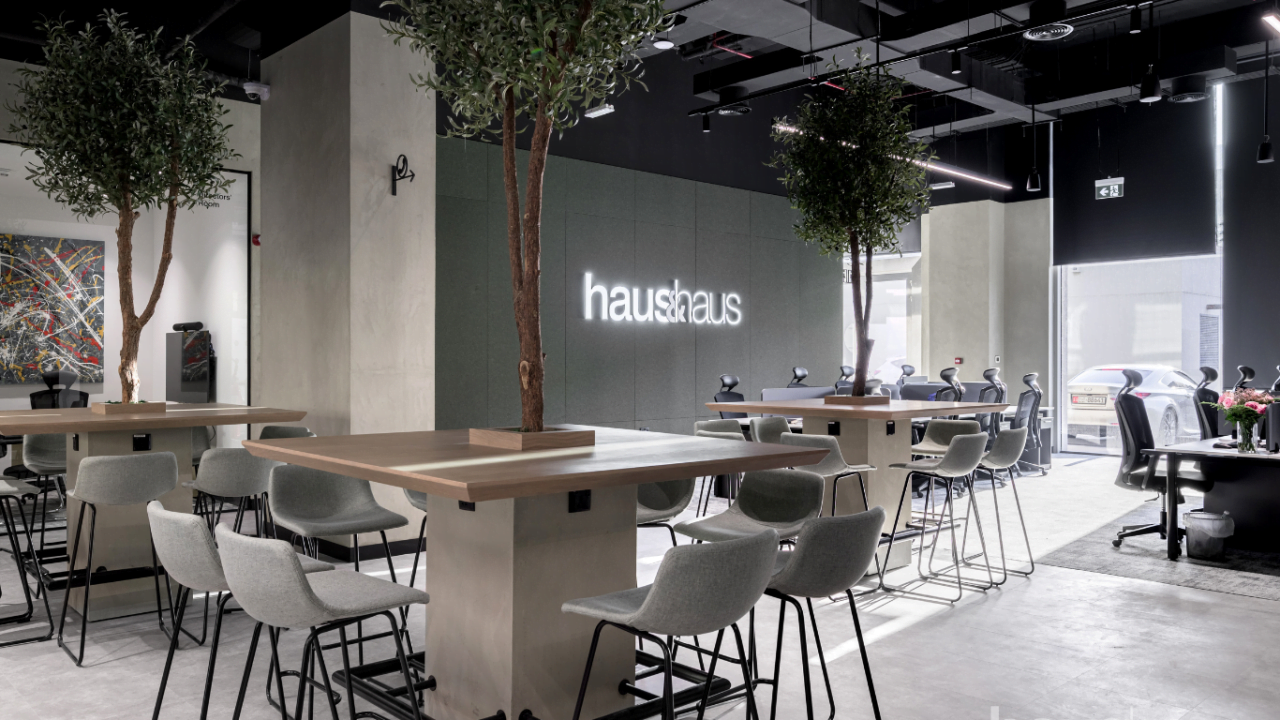
When furnishing your office, opt for sustainable materials. Look for furniture made from recycled or reclaimed materials, such as desks crafted from reclaimed wood. Additionally, choose flooring options and decor items made from eco-friendly materials. This helps reduce the demand for new resources and minimises your carbon footprint.
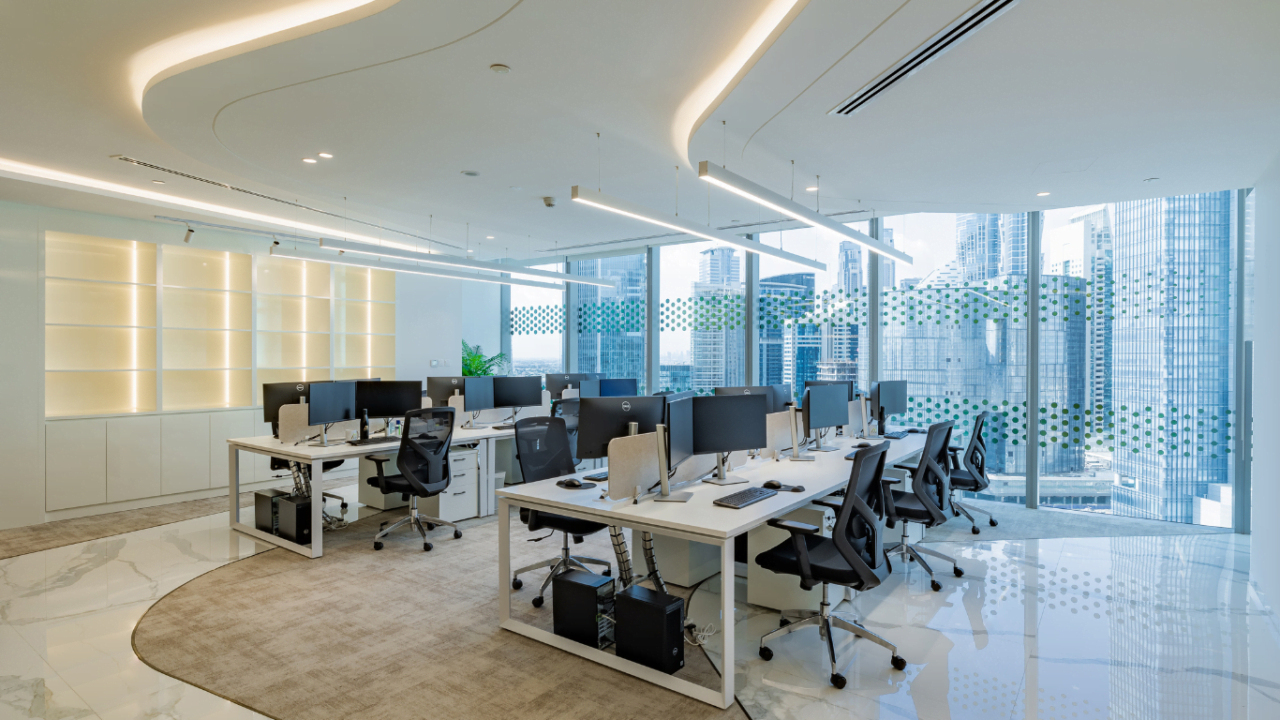
Take simple steps to reduce energy consumption in your office. Encourage employees to turn off lights and electronics when not in use. Replace traditional light bulbs with energy-efficient LED bulbs. Set up power-saving features on computers and other equipment. These small changes can add up to significant energy savings over time.
Implement a comprehensive recycling program in your office. Place recycling bins throughout the workspace and provide clear instructions on what can be recycled. Encourage employees to reduce single-use items by providing reusable water bottles, coffee mugs, and utensils. Consider composting organic waste to further minimise your office's environmental impact.
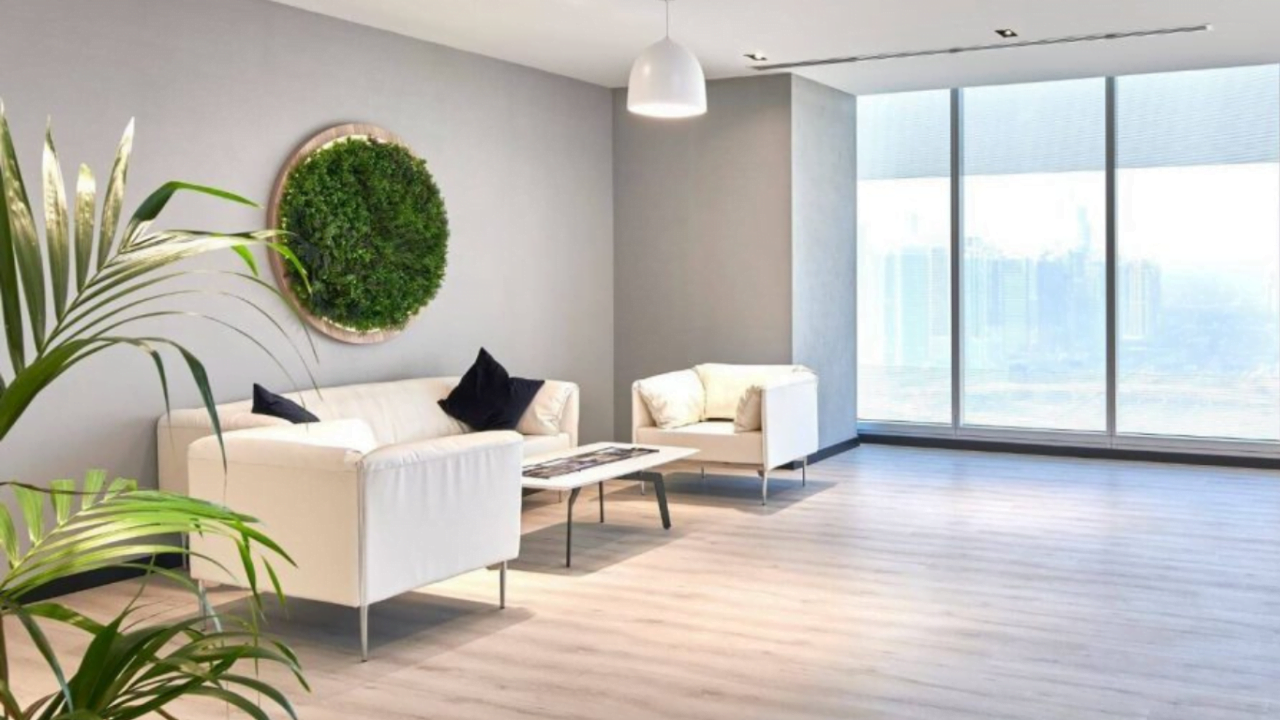
Create a healthier work environment by focusing on indoor air quality. Use low-VOC paints and finishes to minimize harmful emissions. Incorporate indoor plants known for their air-purifying qualities. Regularly maintain HVAC systems to ensure optimal air circulation and filtration.
Remember, sustainability is an ongoing journey, so continuously evaluate your practices and explore new opportunities to further improve your office's eco-friendly initiatives. Together, we can make a positive impact on the environment and inspire others to join the movement toward greener offices.
Acoustics is an important aspect of office design that can often be overlooked. Poor acoustics can lead to distractions, decreased productivity, and even negative health effects. In this blog, our design team will provide a guide to acoustics in office design and offer tips for creating an optimal acoustic environment in the workplace.
Strategic placement of sound-absorbing materials, such as acoustic panels and partitions, can help minimise noise distractions and improve communication in open-plan office environments.
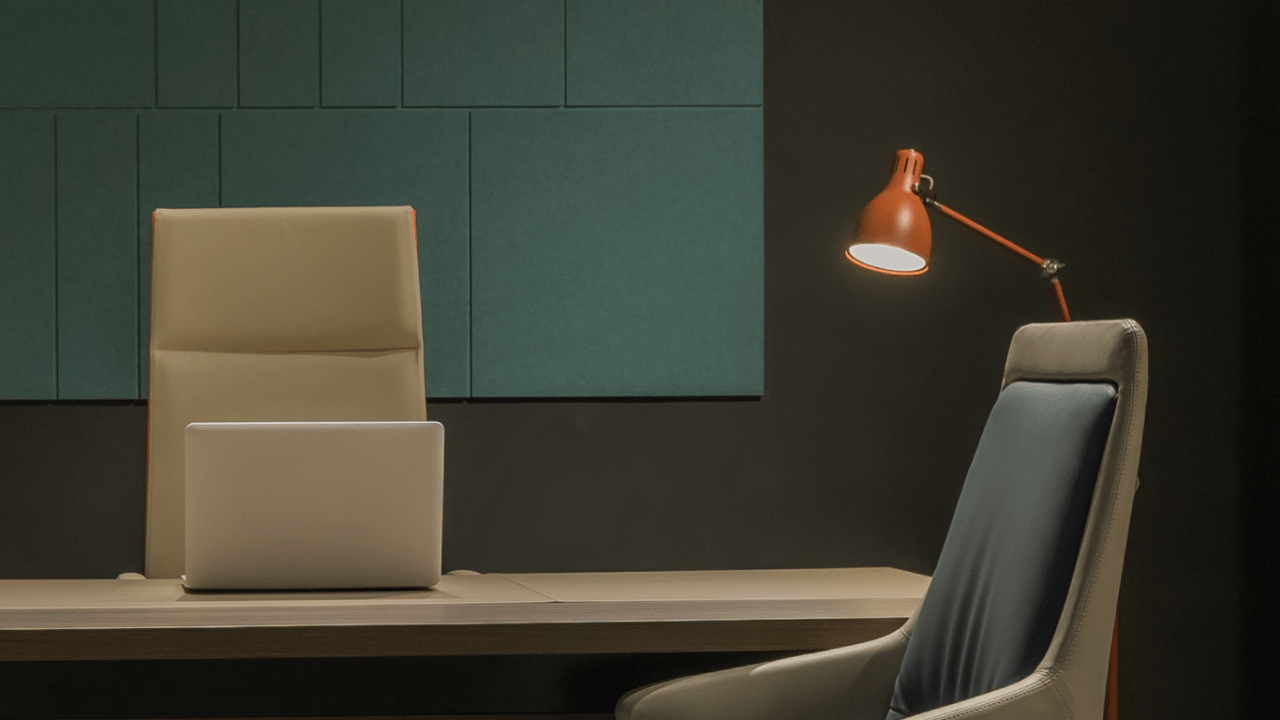
Featured Product: From Motif furniture showroom
One of the most effective ways to improve acoustics is to incorporate sound-absorbing materials into the office design. This can include acoustic ceiling tiles, carpeting, and wall panels. Furniture such as bookshelves and upholstered chairs can also help to absorb sound.
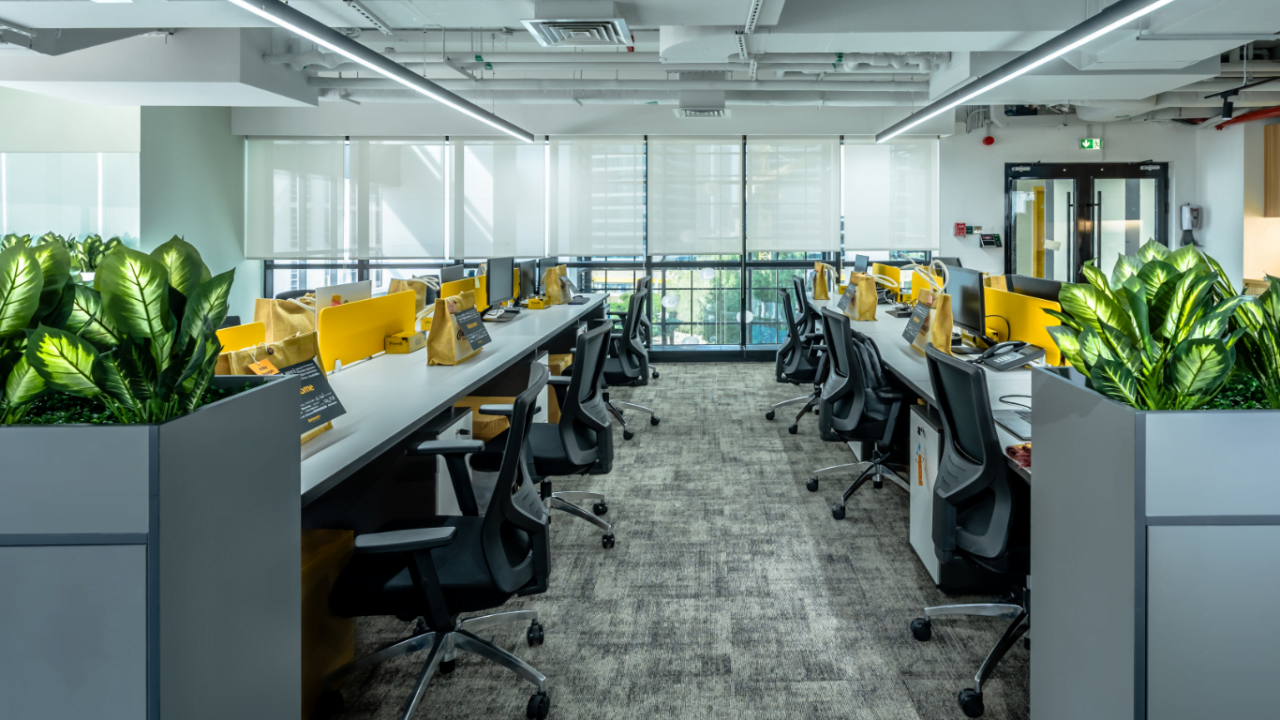
Featured project - Continental
Sound masking technology, when paired with acoustic ceilings, provides an effective solution for reducing distractions and enhancing privacy. Sound masking systems emit a background noise that masks conversations, while acoustic ceilings absorb sound reflections, minimizing echoes and reverberation.
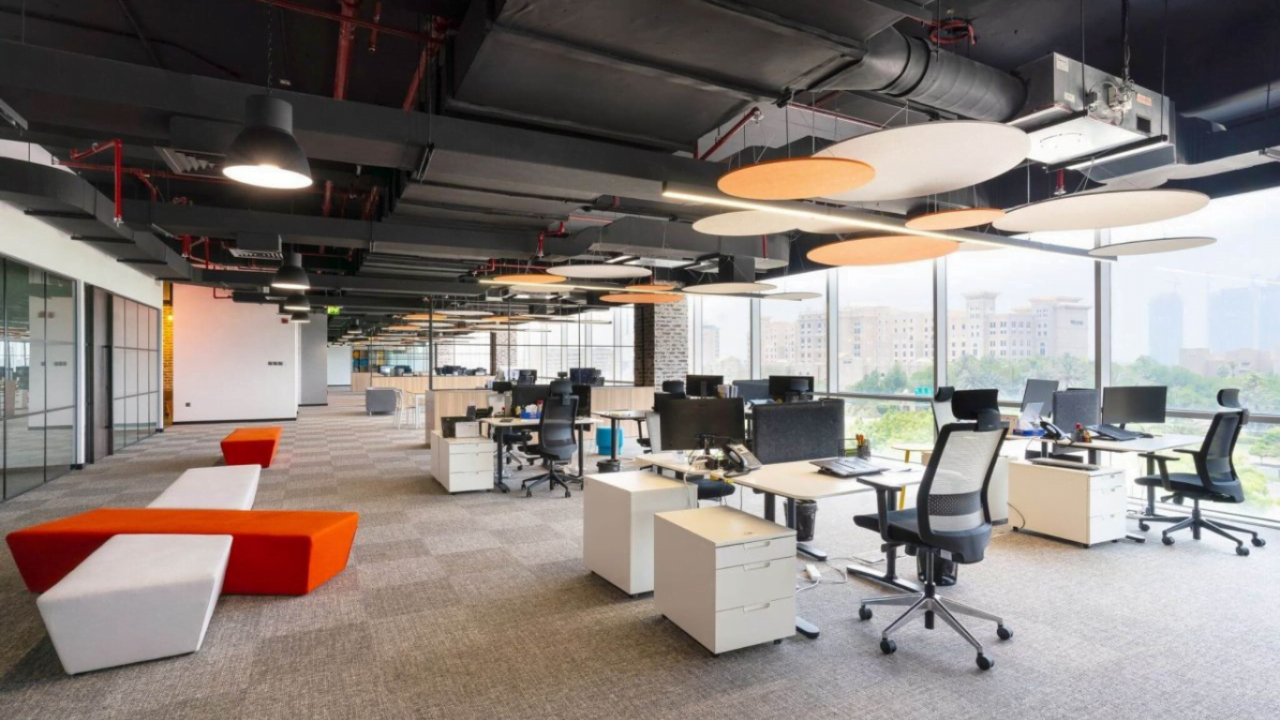
Featured project - Innocean
Meeting pods are private and quiet spaces that can reduce noise and distractions in open office environments. They offer flexibility for individual or group work and can be designed with acoustic materials for optimal sound quality and privacy. Incorporating meeting pods into office design can improve collaboration, communication, and productivity.
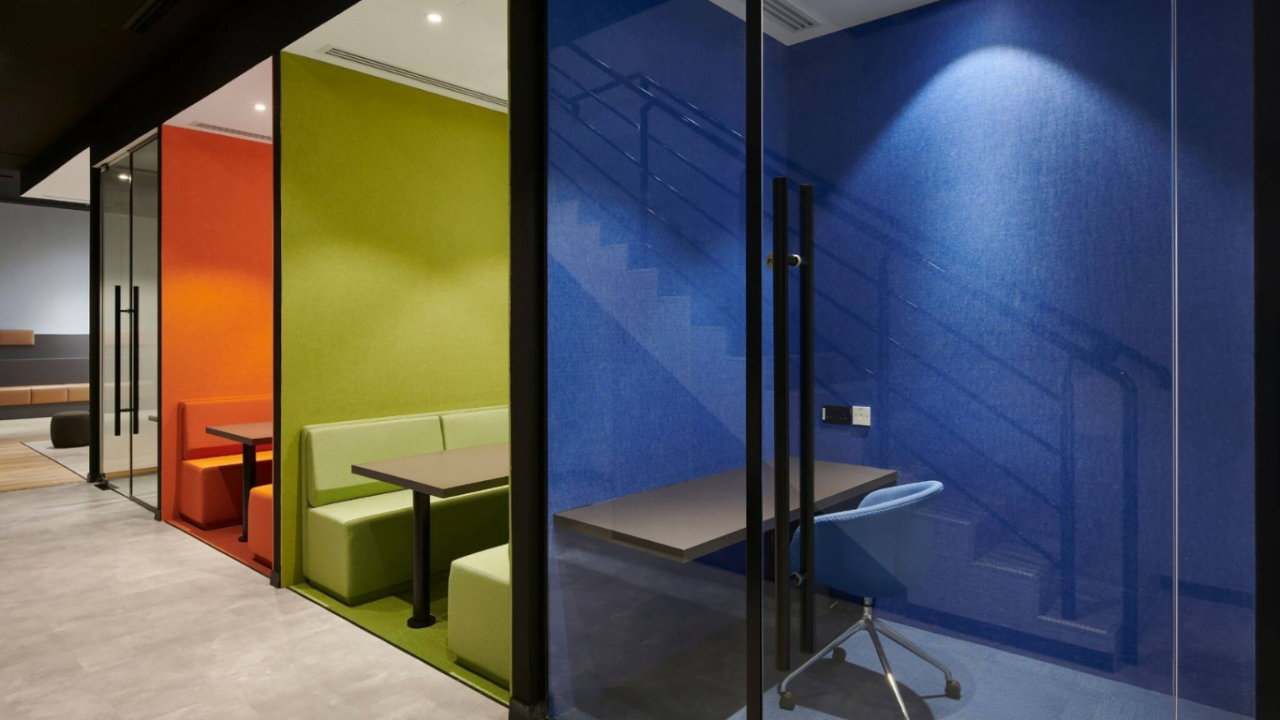
Featured project - Augustus Media
By incorporating these tips into your office design, you can create an environment that supports productivity and minimises distractions.